What Makes a Good Interpreter in Meetings and Courts.
19 November, 2025· Article by David Brown


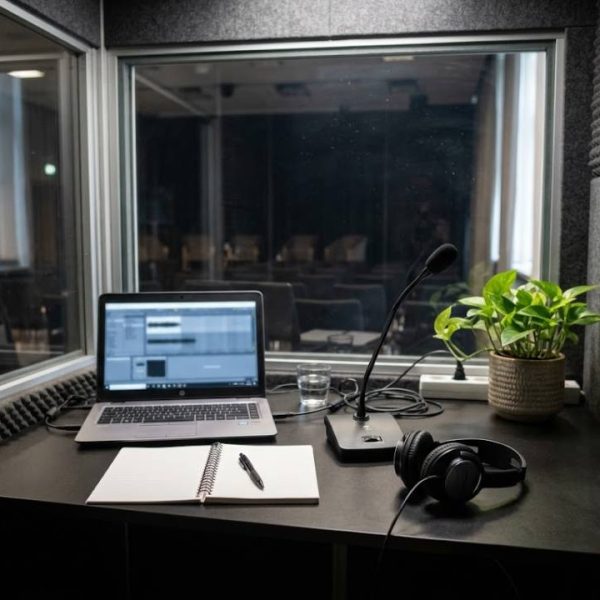
Interpreters make conversation possible when people do not share a language. In meetings, courts, clinics and conferences, their work carries real consequences. This article explains what makes a good interpreter and how clients can work with one to get the best results.
Interpreting Is More Than Knowing Two Languages
Fluency is only the starting point. A good interpreter also manages speed, memory, tone and cultural meaning in real time. It is a demanding skill that needs training and practice.
Different Modes of Interpreting
Consecutive interpreting follows the speaker in short segments, while simultaneous interpreting happens almost at once, often from a booth. Whispered interpreting serves one or two listeners quietly.
Accuracy Above All
Interpreters convey everything that is said, without adding, removing or softening content. In legal and medical settings, a small change can alter outcomes, so precision is central.
Impartiality and Ethics
Professional interpreters stay neutral and do not give advice or opinions. Codes of conduct protect everyone in the room. The National Register of Public Service Interpreters lists qualified professionals in the United Kingdom.
Confidentiality Matters
Interpreters hear private details in courts, hospitals and businesses. They are bound to keep them secret. Clients should feel able to speak freely, knowing information is protected.
Subject Knowledge Helps
Understanding legal, medical or technical vocabulary prevents mistakes. Good interpreters prepare by studying glossaries and background material before an assignment.
Memory and Note Taking
Interpreters use special note taking systems and memory techniques to keep track of long statements. These skills are trained over years and refined with practice.
Staying Calm Under Pressure
Fast discussions, emotional topics and technical glitches are common. Composure allows the interpreter to keep delivering accurate content while everyone else focuses on the conversation.
Cultural Awareness
Gestures, politeness and indirect speech differ across cultures. Interpreters spot these differences and, when needed, tell the parties that a cultural explanation may help.
Clear Voice and Delivery
A steady pace, clear pronunciation and natural tone make interpretation easier to follow. In simultaneous work, good headphones and a quiet booth protect quality.
How Clients Can Prepare an Interpreter
Share agendas, slides, names and technical terms in advance. Early materials allow interpreters to prepare vocabulary. Prepared interpreters deliver more accurate and confident work.
Speak in Short, Clear Sentences
Pause between ideas, avoid complicated jokes and speak to the person, not the interpreter. Clear speakers make the work easier and the outcome better for everyone.
Plan Breaks for Long Sessions
Interpreting is mentally tiring. Professionals often work in pairs and swap every twenty to thirty minutes. Plan breaks so quality stays high through the day.
Check Technology Early
Microphones, headsets and connections should be tested before the event. Remote interpreting needs stable internet and good audio. Technical readiness prevents delays.
Understand How Speech Technology Fits
Automatic speech tools are improving quickly, and recent speech AI developments help with captions and notes. Human interpreters remain essential for nuance, ethics and high stakes settings.
A good interpreter in meetings and courts combines accuracy with composure, but clients often overlook a more basic decision: which mode of interpreting the setting actually needs. Courtrooms and small negotiations usually suit a speaker pausing every few sentences, while conferences need near-real-time delivery from a booth. A clear comparison of consecutive vs simultaneous interpreting helps you match the format to the room, the audience size and the budget before you book anyone.
Serving Polish Speaking Communities
Public services and employers often need to communicate with Polish speakers. Dependable english to polish translation supports written materials alongside interpreters at meetings and appointments.
Medical and Health Settings
Patients need to understand diagnoses and instructions. Trained interpreters help clinicians gather accurate information, and avoid relying on children or relatives who may lack specialist vocabulary.
Court and Legal Interpreting
Defendants and witnesses have the right to understand proceedings. Court interpreters follow strict rules and swear oaths of accuracy. Their work supports fairness in the legal system.
Business Meetings and Negotiations
In negotiations, tone and timing matter. An interpreter helps both sides feel heard and avoids misunderstandings that can damage trust or deals.
Conference Interpreting
Large events use teams of interpreters in booths, broadcasting to delegates through headsets. Preparation, teamwork and clear speakers help the whole event run smoothly.
Remote and Phone Interpreting
Video and telephone interpreting provide quick access to rare languages. Introduce everyone clearly at the start and avoid overlapping speech to help the interpreter follow.
How to Become an Interpreter
Study languages, take recognised interpreting training and gain supervised experience. Many specialise in a field such as community, legal or conference work. Continuous practice is essential.
Paying for Quality
Professional interpreters charge for preparation, travel and expertise. Choosing the cheapest option risks misunderstandings that cost far more. Treat interpreting as a safeguard, not an extra.
Showing Respect to Interpreters
Introduce them, include them in breaks and thank them afterwards. A respected interpreter works with more confidence, and clients receive better service.
Looking to the Future
Technology will continue to change how interpreting is delivered, but trusted human professionals remain central wherever accuracy and empathy matter.
Final Thoughts
A good interpreter is skilled, ethical and prepared. Share materials early, speak clearly and treat interpreters as partners. With the right support, conversations across languages become smooth, accurate and fair.
Recent Posts

Why Cloud-Based Translation In...

Brasilianische Fußballer Brau...

Les Salons Professionnels Mise...

Brazilian Portuguese and Europ...

Traduction français anglais g...

Mudarte A Brasil Exige Traducc...
Share it.

We use cookies
We use cookies to give you the best online experience, remember your preferences, and understand how the site is used. You can accept all cookies, reject optional ones, or choose which categories to allow.
Privacy PolicyCookie preferences
Choose which cookies we can use. Necessary cookies stay on because the site cannot work without them.
For more details, read our Privacy Policy.